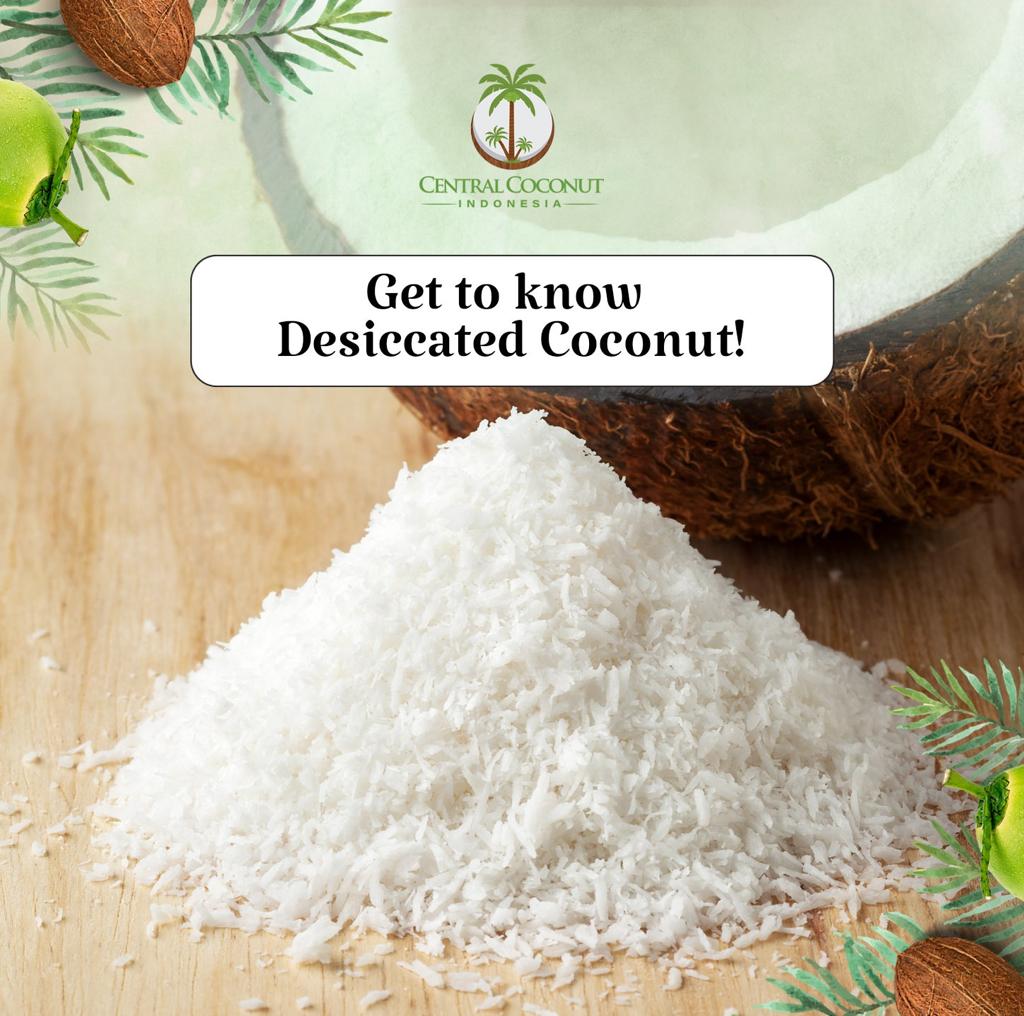
Desiccated coconut may not be a household name for everyone, but it’s a versatile and flavorful ingredient that has found its way into countless recipes around the world. In this five-minute exploration, we’ll uncover the essence of desiccated coconut, shedding light on what it is, how it’s made, and why it’s so popular in the culinary world.
What Is Desiccated Coconut?
At its core, desiccated coconut is simply coconut meat that has been dried and then finely shredded into small flakes or pieces. The word “desiccate” means to remove moisture, and that’s precisely what happens in the creation of this product. It is distinct from sweetened or shredded coconut typically used in baking and confectionery.
The Making of Desiccated Coconut:
The journey of desiccated coconut begins with the humble coconut fruit. Once the coconuts are harvested, the white meat, also known as the kernel, is extracted from the hard shell. This meat is then washed and blanched in hot water, which serves to clean and sanitize it.
After blanching, the coconut meat is shredded into fine, thin flakes. The shredding process is a crucial step that determines the texture and quality of the final product. The fine flakes give desiccated coconut its distinct appearance and culinary versatility.
Next comes the desiccation process, from which the product derives its name. The shredded coconut is spread out in a thin layer and exposed to hot air, often at temperatures exceeding 100 degrees Fahrenheit. This process removes moisture from the coconut, leaving behind the crisp, golden flakes that are characteristic of desiccated coconut.
The Appeal of Desiccated Coconut:
Desiccated coconut has gained immense popularity for several reasons:
- Texture: It provides a delightful crunch and a satisfying texture, making it an excellent addition to various dishes and desserts.
- Tropical Flavor: Desiccated coconut retains the sweet and nutty flavor of fresh coconuts, infusing recipes with a tropical essence.
- Long Shelf Life: The drying process significantly extends the product’s shelf life, allowing it to be stored for an extended period without spoiling.
- Versatility: It is a versatile ingredient that can be used in both sweet and savory dishes. From baking to curries, smoothies, and granola, desiccated coconut adds depth and flavor.
- Nutritional Value: It offers essential nutrients, including dietary fiber, healthy fats, and a range of vitamins and minerals, making it a valuable addition to a balanced diet.
Culinary Applications:
Desiccated coconut’s versatility knows no bounds. It can be found in a variety of dishes and recipes from around the world, including:
- Baking: It enhances the texture and flavor of cookies, cakes, and pastries.
- Desserts: A staple in coconut-based sweets like macaroons, ice cream, and tropical pies.
- Savory Dishes: Used in curries, rice dishes, and spice blends to add depth and texture.
- Smoothies: A delightful addition to breakfast or post-workout drinks.
- Snacks: Elevates granola, trail mix, and yogurt with its sweet crunch.
In conclusion, desiccated coconut is nature’s textured delight, bringing a touch of the tropics to your culinary creations. With its versatile applications, extended shelf life, and nutritional value, it’s no wonder that this ingredient has become a beloved addition to kitchens worldwide. The next time you encounter desiccated coconut in a recipe, you’ll know that it’s more than just an ingredient; it’s a ticket to a world of texture and flavor, ready to elevate your culinary adventures.